A full-screen feed you flick through, with a voice that tells you about each thing as it lands — and goes quiet the second you swipe. Build a hands-free local guide, a shoppable feed, a talking dashboard. The building blocks are free. The weeks of tuning that make it feel right are the paid kit.
Free to start · a free written guide · the paid kit is $199 (founding price, opens Jul 27)
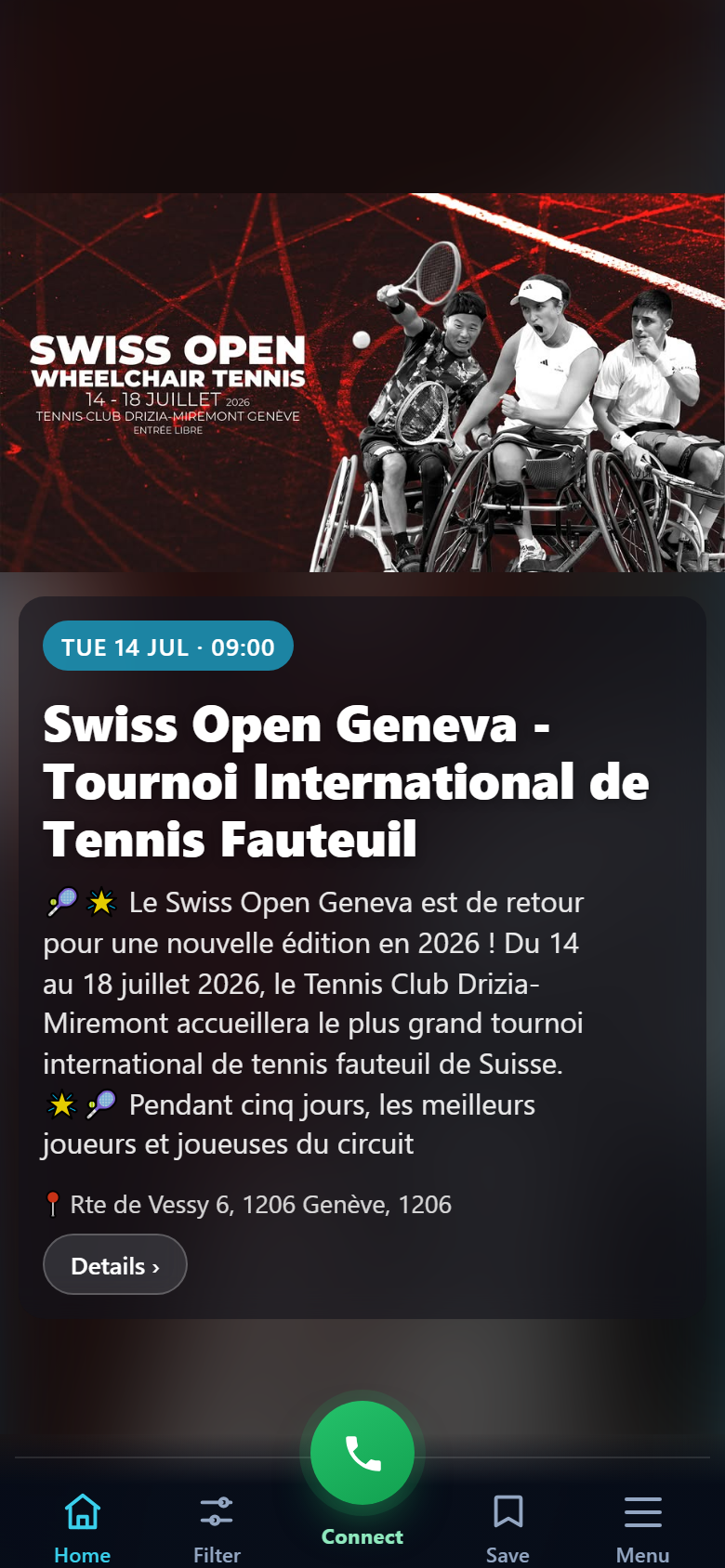
Not a tutorial you follow and abandon. A working thing, on the internet, that your friends can open on their phones.
Restaurants, listings, products, your own numbers — whatever your thing is, flicked through one at a time like TikTok.
It describes what's on screen, answers questions out loud, and takes instructions — "next", "show me the cheap ones".
Your hosting, your keys, your data. Nothing routes through me. Running costs land around the price of a couple of coffees a month.
You bring the content and a weekend. The paid kit brings the tuning I did the slow way.
A talking feed is the opposite of a normal voice assistant. There, you talk and it waits. Here, the voice has to jump in the instant a card lands — and go quiet the moment you swipe away.
A sentence or two per card, not a paragraph. Take ten seconds and they've already swiped past.
The moment they swipe, the voice stops — instantly — and starts on the new card. A slow fade feels like it's ignoring them.
When someone scrolls fast, wait a beat before talking — otherwise the voice trips over itself and stops hearing you.
These are real screenshots of a live app — the same free feed you'd start with, and the same voice tuning the paid kit hands you.
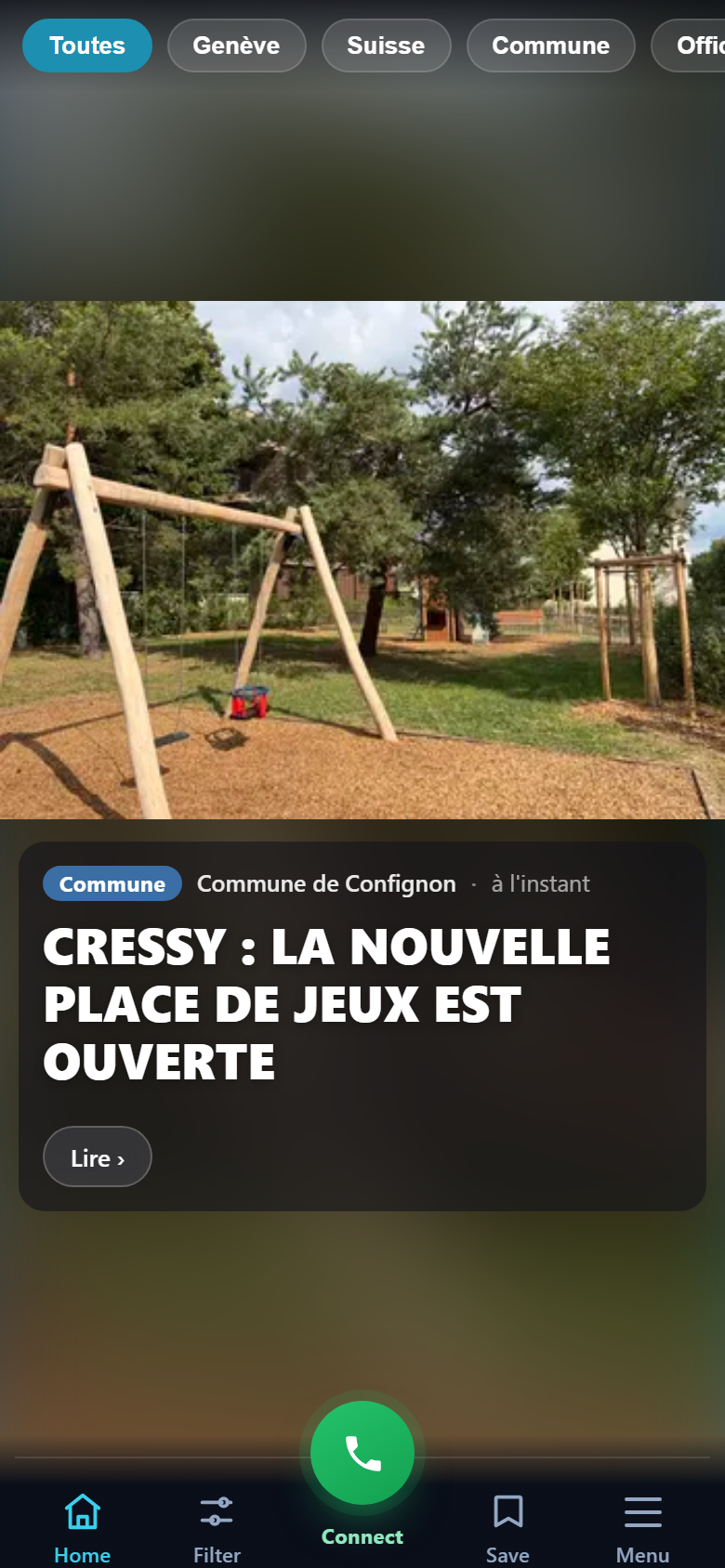
Cards fill the whole screen and snap one at a time as you flick up and down — and the next one is ready before you reach it, so it never stutters. This part is free, and it works with any kind of card you throw at it.
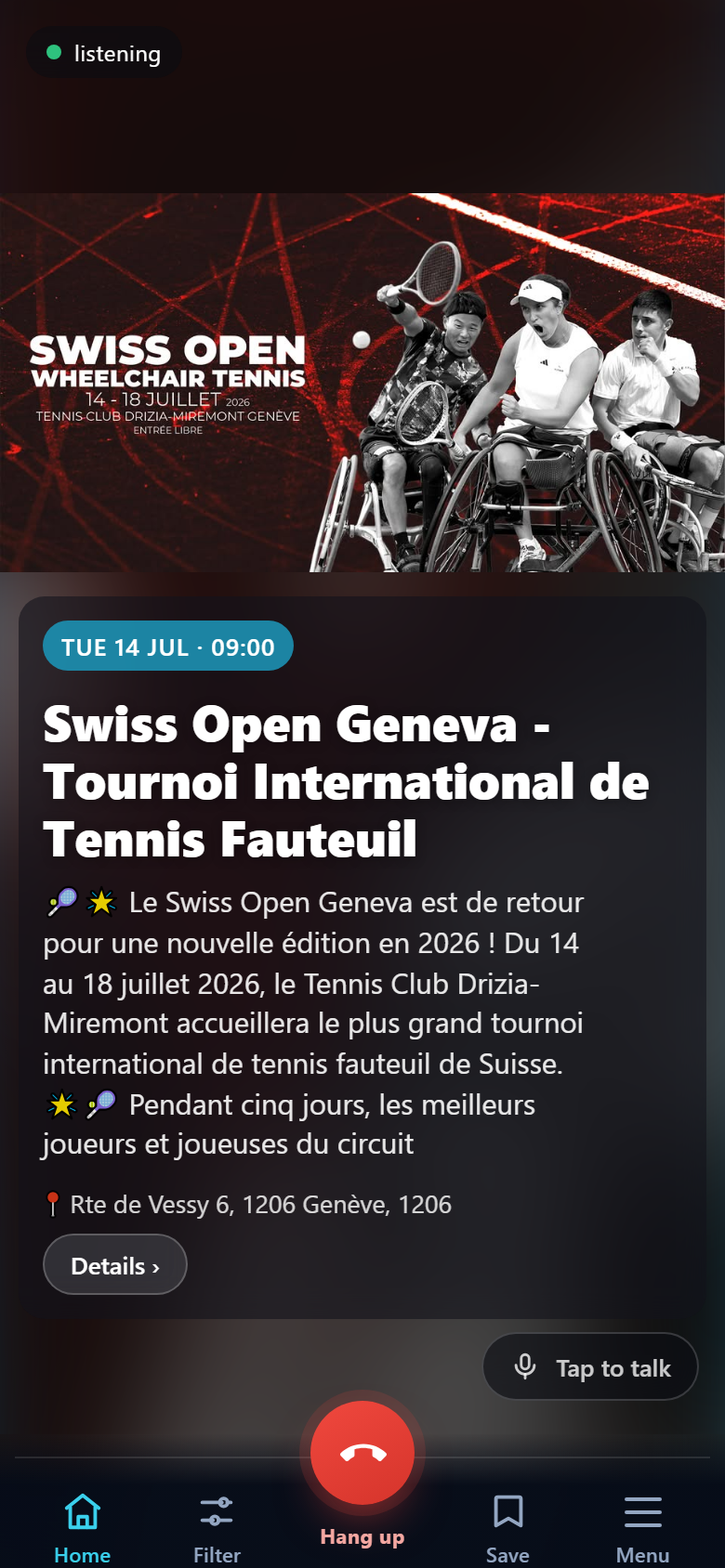
Stop on a card and the voice tells you about it in a sentence. Swipe and it stops mid-word and picks up the new one. You can talk over it or ask a question any time — it listens. Nailing this timing is the whole trick, and it's done for you.
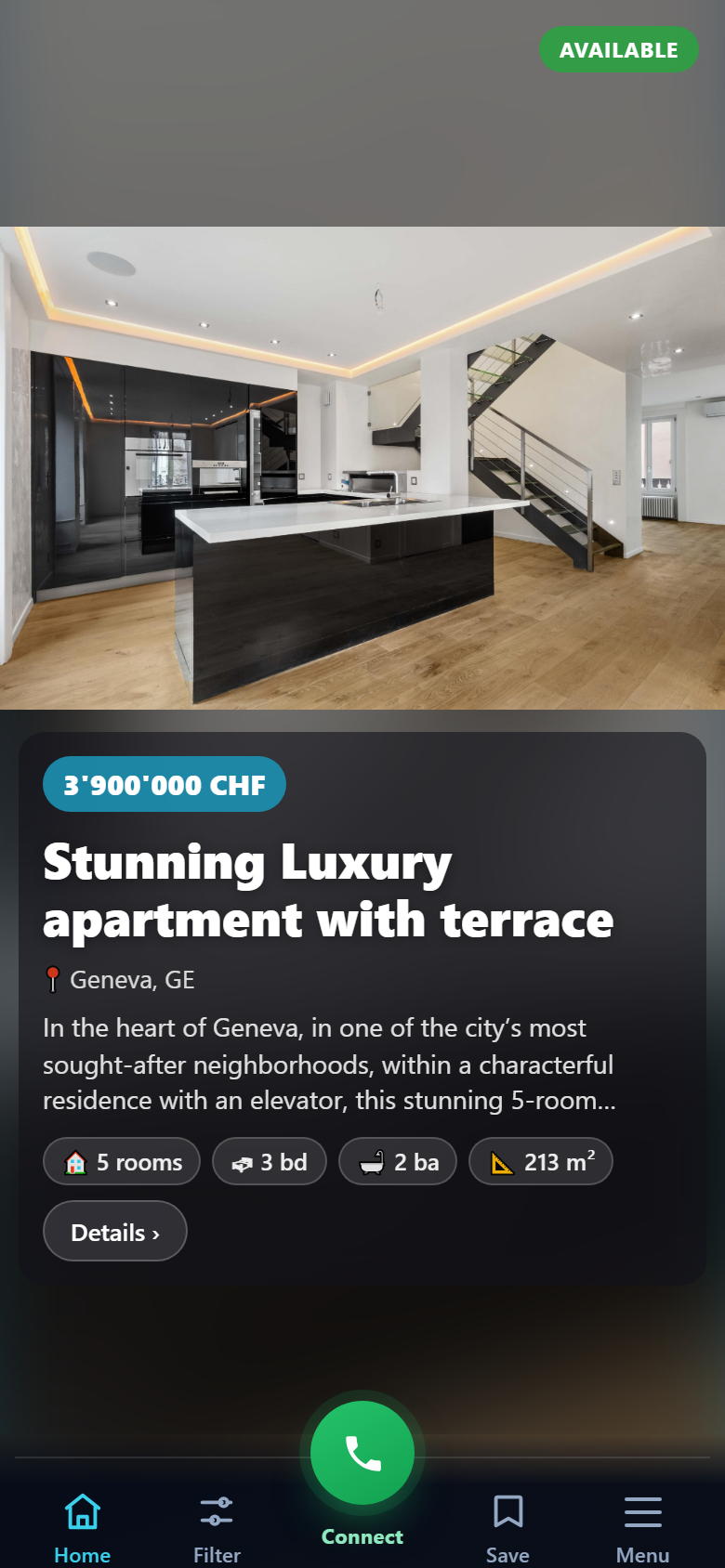
The real demo runs three completely different things off the same feed — events, news, and homes for sale — each with its own voice. Swap in your own stuff and you've got a local guide, a little shop, or a talking dashboard.
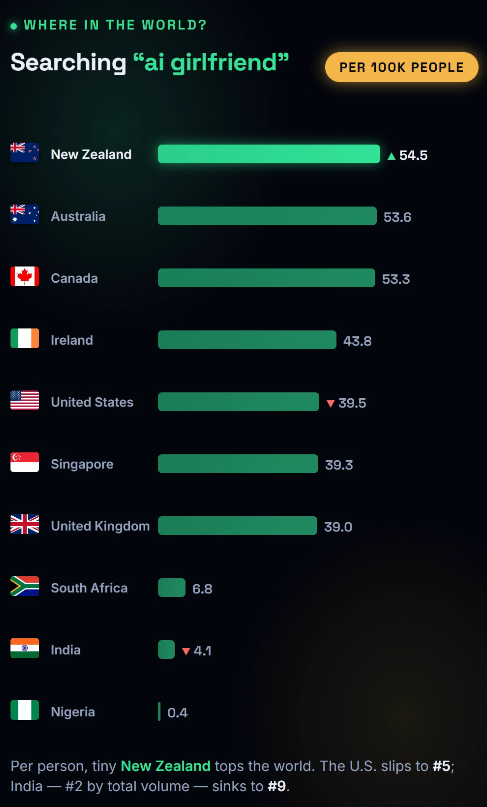
Instead of a photo, a card can show a live chart — a line, a ranking, even a racing bar chart — and the voice reads the story behind the number. Six chart styles, all working; the only unfinished bit is turning a chart into a shareable image.
The whole product, laid out in plain English. Grab the free bits today; the paid bits are named so you know exactly what you're getting before you pay.
// stopped on a card → the voice starts talking
function scheduleSettle(index) {
  clearTimeout(state.settleTimer);
  state.settleTimer = setTimeout(() => {
    if (state.active === index && state.status === "ready")
      emit("settle", { index, item: state.view[index] });
  }, SETTLE_MS);
}

// started swiping → the voice stops itself
feedEl.addEventListener("scroll", () => {
  if (!state.isScrolling) {
    state.isScrolling = true;
    emit("swipe", { from: state.active });
  }
});
You don't type this out yourself. The paid kit is a set of instruction files you hand to an AI coding agent, which does the building while you review. If you've used one to ship anything, you already know the workflow.
The instructions ship in both common formats, so any of these can pick them up:
Most have a free tier to start on, though a couple are test-sized — the real limits are named below. The paid kit has a setup page per service with the exact settings.
A real feed, running in production right now — hundreds of live listings and working voice. Tap the green button and talk to it. No signup to browse.
"The code was the fast part. Getting the voice and the screen to agree took me the better part of two weeks — rewrite the instructions, test on a real phone, hear it talk over a swipe, rewrite again. Nothing tells you the right numbers. You find them by feel, one round at a time. That loop is what the paid kit hands you finished."

I build and ship products solo out of Geneva. I built the talking feed you just watched, put it live, and wrote down every round of that loop. That's the paid kit.
The same engine, pointed at new kinds of cards. Each one ships as a drop-in module with its own voice, its own card design and its own data pipeline.

Swipe sideways — the way the product works. Mockups of modules in progress; final designs will differ.
The bits that aren't code — why it works the way it does. One email, one link, yours to keep.
The link is on its way.
 Swipvox